
Nestlé’s Successful Transition to 100% Natural Colors
Bright synthetic dyes are rapidly losing their grip on the food industry as major multinationals phase them out in favor of cleaner alternatives. Nestlé USA recently hit a major milestone in this shift, completely eliminating certified artificial colors across its entire U.S. food and beverage portfolio. This transition signals that natural formulations are no longer a niche preference, but the new baseline standard for the market.
Reengineering Iconic Portfolios
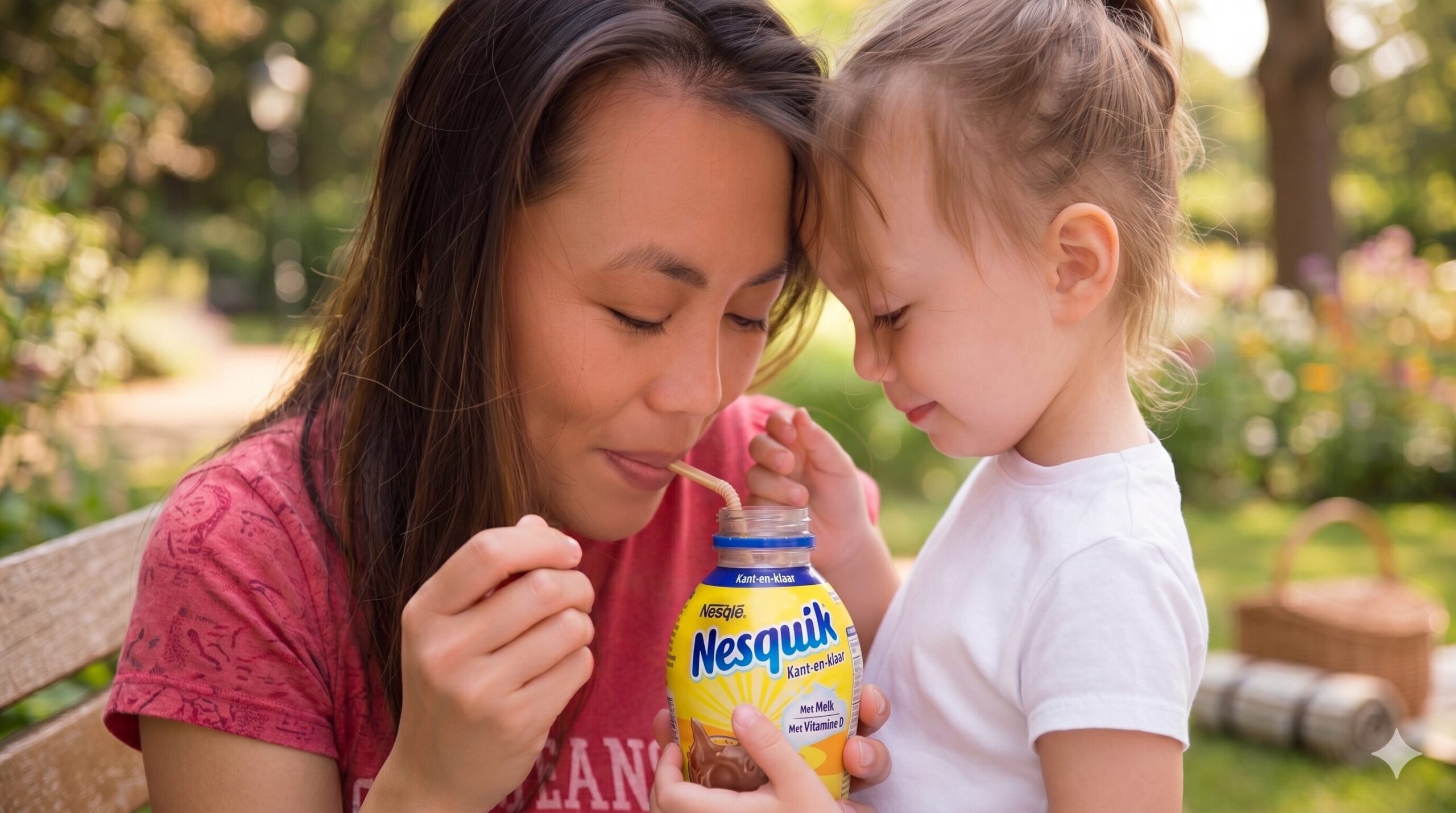
Nestlé USA finalized this transition earlier this year, completing a rollout that saw over 90% of its portfolio updated by mid-2025. Well-known brands like strawberry Nesquik and DiGiorno pizzas now rely entirely on natural sourcing for their color profiles. In tandem, the company’s foodservice division transitioned more than 20 beverage offerings from the Nestlé Vitality line in just five months, maintaining color stability and flavor consistency throughout the process.
Marty Thompson, CEO of Nestlé USA, noted that the transition required years of targeted research and development. The core challenge was maintaining the exact visual identity and taste profile consumers expect, proving that natural alternatives can meet the performance standards of their synthetic counterparts when formulated correctly.
The Forces Driving Reformulation
This widespread acceleration is driven by a combination of consumer demand, retail pressure, and tightening regulations. Today’s buyers heavily scrutinize ingredient lists, pushing synthetic additives and complex additives out of favor.
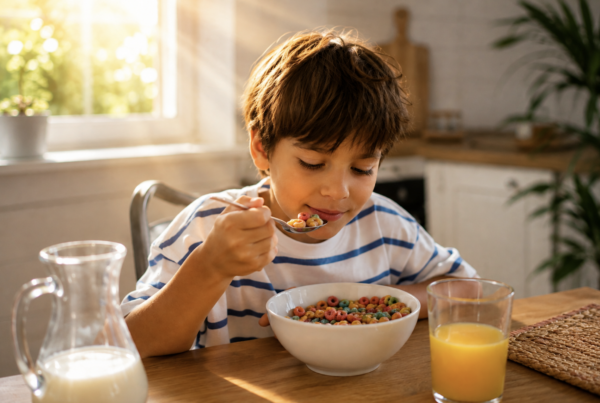
At the same time, regulatory pressure in the U.S. regarding traditional dyes like Red 40 and Yellow 5 is intensifying. Retailers are responding to these shifts as well. Major chains, including Target, have begun adjusting shelf space and restricting products, particularly in the breakfast cereal category, that continue to use artificial options.
A Market Wide Shift
Nestlé’s strategy reflects a broader movement across the manufacturing sector. Competitors like General Mills, Kraft Heinz, and The Campbell’s Company have all initiated similar removal strategies or committed to cleaner formulations. When the largest market players overhaul legacy recipes, it establishes a new standard for the rest of the supply chain.
Technical Adaptation with BioconColors
Replacing synthetic colors with natural extracts is rarely a simple direct swap. Achieving identical vibrancy and longevity requires a deep understanding of heat resistance, pH stability, shelf life constraints, and ingredient interactions.
At BioconColors, we partner with food and beverage manufacturers to navigate these technical formulation challenges. Our portfolio, which ranges from annatto and carmine to custom natural blends, delivers stable and high quality color solutions that align with modern clean label demands. Contact our team to discuss your upcoming reformulation projects.