Category: Natural colors

  • Decades of expertise, just one conversation away!

    Decades of expertise, just one conversation away!


    Heading to Food Ingredients Europe 2025 in Paris? Let’s talk NATURAL COLORS!

    Are you looking to replace artificial colors or reformulate with clean-label, high-performance natural alternatives?

    Our natural color specialists from BioconColors will be waiting for you at Fi Europe 2025 in Paris.

    Swing by Hall 7.2 – R41 or send a quick message to book a dedicated slot with our team. https://lnkd.in/etvDY5Q6

    Let’s make your next product brilliantly natural!

  • US to Ban Artificial Food Dyes

    US to Ban Artificial Food Dyes

    US Ban of Artificial Food Dyes
    BioconColors welcomes the Trump administration’s bold plan to phase out synthetic food dyes from the U.S. food supply by 2026, led by HHS Secretary Robert F. Kennedy Jr. and FDA Commissioner Dr. Marty Makary. This move to eliminate dyes like Red No. 40 and accelerate the Red No. 3 ban aligns with global shifts toward safer, natural ingredients. As a leader in natural color solutions, BioconColors sees this as a prime opportunity for food producers to innovate and gain a competitive edge with clear-label products.
    Why It Matters
    Announced on April 22, 2025, the FDA’s plan targets six artificial dyes linked to health concerns like ADHD and obesity. Newly approved natural color additives, such as butterfly pea flower extract and algae-derived blues, offer vibrant alternatives. This follows trends in regions like the EU and UK, where natural colors from sources like beetroot and spirulina are standard due to strict regulations and consumer demand for transparency.
    Impact on Food Producers
    • Supply Chain Shifts: Switching to natural colors requires reformulation and new suppliers. While artificial dyes are stable and cheap, natural alternatives may involve higher costs and technical challenges, as seen with some U.S. manufacturers struggling to source reliable natural colors.
    • Consumer Demand: Health-conscious consumers increasingly seek clean-label products. Major brands committing to dye-free products by mid-to-late 2025 reflect this shift, with failure to adapt risking market share loss, as seen in past cases like cereal brands reverting to artificial colors.
    • Regulatory Pressure: The voluntary phase-out may become mandatory, urging producers to meet the 2026 deadline to avoid penalties or market restrictions.
    Global Market Phases
    Adoption of natural colors varies by region, reflecting regulatory and consumer differences:
    • Mature Markets (EU, UK, Japan): These regions lead with established use of plant-based colors, driven by strict regulations since the 1990s. Producers focus on enhancing stability and vibrancy for applications like confectionery and beverages, with innovations like stabilized beetroot for bakery.
    • Transitioning Markets (U.S., Canada, South Korea): The U.S. is rapidly adopting natural colors post-FDA announcement, with Canada and South Korea following due to health-conscious trends. Beverage and snack brands are reformulating with colors like turmeric and spirulina to meet clean-label demands.
    • Emerging Markets (India, Brazil, Mexico, Southeast Asia): These regions are quickly catching up, driven by export needs and rising health awareness. India uses local sources like saffron for snacks, Brazil leverages cochineal for juices, and Thailand adopts plant-based blues for beverages, aligning with global standards.
    • Nascent Markets (Africa, Middle East): Early adoption is growing in urban areas, with natural colors like turmeric used in dairy to appeal to health-conscious consumers. First-mover brands can capture premium market segments.
    Opportunities with Natural Colors
    Partnering with BioconColors offers producers:
    • Innovation: Our FDA-approved natural colors, including anthocyanins and plant extracts, deliver vibrant, stable hues for snacks, beverages, and more, matching synthetic dye performance.
    • Consumer Appeal: Clean-label products meet rising demand for transparency, with 73% of global consumers seeking recognizable ingredients, boosting brand loyalty.
    • Sustainability: Colors from renewable sources like fruits and vegetables enhance eco-friendly branding, as demonstrated by small businesses transitioning to dye-free products.
    • Technical Support: We provide expertise to overcome challenges like color stability in high-heat or acidic conditions, ensuring compliance and shelf appeal.
    BioconColors: Your Partner in Change
    The shift to natural colors, spurred by the U.S. ban and global trends, is a chance to lead in a health-focused market. BioconColors offers tailored solutions, ensuring vibrant, compliant products across regions. Whether in the U.S., India, or Brazil, we help producers stay ahead.
    Contact BioconColors today to embrace the natural color revolution and enhance your competitive edge.
  • Visit us at the Expo Ingredients in Lima Peru

    Visit us at the Expo Ingredients in Lima Peru

    Connect with our LATAM team at the Expo-Ingredients Peru fair from November 14th to 16th, 2024!

    We’re excited to welcome you to visit us at Expo Ingredients Peru 2024! You’ll find us at Pavilion Ingredients and Additives, Stand A-137.  We will highlight the most recent breakthroughs in the natural food coloring sector and explain how our natural coloring solutions can be applied across a wide range of applications.

    Come explore our extensive range of natural color solutions and connect with our expert team, ready to answer any questions you have. Reach out to schedule a meeting in advance. Save the dates – November 14th-16th, 2024 – and be sure to stop by Stand A-137 at the Pavilion Ingredients and Additives.

    We look forward to seeing you at Expo Ingredients Peru!

  • Enhancing Nutraceuticals with Natural Colors

    Enhancing Nutraceuticals with Natural Colors

    In today’s health-conscious world, consumers are becoming increasingly discerning about the products they consume. Nutraceuticals, a fusion of “nutrition” and “pharmaceuticals,” offer a compelling promise of health and wellness benefits beyond basic nutrition. To meet the evolving demands of the health-savvy consumer, the nutraceutical industry has embraced a vital trend – the use of natural colors.

    Why Natural Colors Matter in Nutraceuticals

    Natural colors in nutraceuticals serve a dual purpose: they enhance the visual appeal of the product and align with consumers’ growing preference for clean, wholesome ingredients. Here’s why they matter:

    1. Clean Label Appeal

    In an age of ingredient scrutiny, consumers are seeking products with clean labels. Natural colors, sourced from fruits, vegetables, and other plant-based ingredients, have an intrinsic wholesome appeal. This aligns perfectly with the ethos of nutraceuticals, which are perceived as products that promote well-being.

    2. Health-Conscious Choice

    Nutraceuticals are all about health, and natural colors reinforce that message. Consumers associate natural colors with health and wellness, making these products more enticing. This association can positively influence purchasing decisions.

    3. Allergen-Friendly Options

    For individuals with food allergies or sensitivities, natural colors offer a safer choice. Synthetic colors may sometimes be derived from allergenic sources, whereas natural colors are generally considered more allergen-friendly.

    4. Regulatory Compliance

    Many regulatory agencies worldwide are tightening their grip on synthetic color usage due to safety concerns. Natural colors, being derived from natural sources, tend to navigate regulatory hurdles more smoothly, making them a preferred choice.

    5. Marketing Advantage

    The use of natural colors can be an excellent marketing strategy. Highlighting them on product packaging and marketing materials can set nutraceutical products apart in a competitive market. It signals transparency and an emphasis on quality.

    6. Functional Benefits

    Natural colors can do more than just add vibrant hues to your nutraceuticals. Many of them, sourced from fruits and vegetables, bring additional health benefits due to their rich phytonutrient content. This adds another layer of appeal to your product.

    7. Shelf-Life and Stability

    Natural colors have made significant strides in terms of stability over the years. They can now withstand various environmental factors like heat, light, and pH levels, ensuring a longer shelf life without compromising on quality.

    8. Global Expansion

    As the global demand for nutraceuticals continues to soar, the use of natural colors allows manufacturers to cater to diverse international markets. These colors can adapt to various cultural and regional preferences, making your product more globally accessible.

    Conclusion: The Healthy Choice for Nutraceuticals

    In conclusion, natural colors in nutraceuticals are more than just a trend; they’re a necessity. They meet the expectations of consumers who seek clean, health-conscious, and visually appealing products. By embracing this trend, nutraceutical manufacturers can enhance the allure of their products while staying true to their promise of better health and well-being.

    Embrace the healthy hue of natural colors in your nutraceuticals, and you’ll not only meet the demands of today’s consumers but also position your brand at the forefront of the evolving nutraceutical industry.

    Remember, when it comes to nutraceuticals and natural colors, health and vibrancy go hand in hand.

  • Revised EU legislation on annatto

    Revised EU legislation on annatto

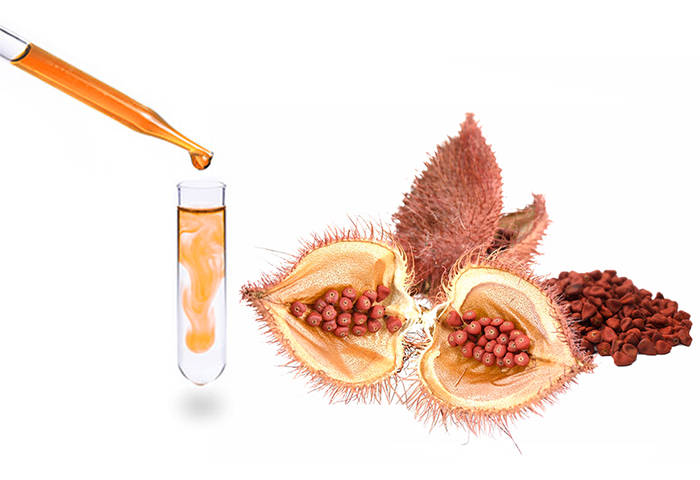
    On February 21-2020, EU voted positive on the revised annatto color legislation. This will create a better alignment between EU specifications and CODEX Standard JECFA monographs reducing regulatory complexities for manufacturers. The new annatto labeling requirements are a consequence of a more detailed definition and classification of annatto extracts. Several food categories in which annatto bixin and norbixin is allowed will be adjusted and revised labeling will be implemented. Detailed information per category can be found on the Eur-Lex website.