Blog

  • BioconColors at Fi Europe 2025 in Paris

    BioconColors at Fi Europe 2025 in Paris

    BioconColors at Fi Europe 2025 in Paris

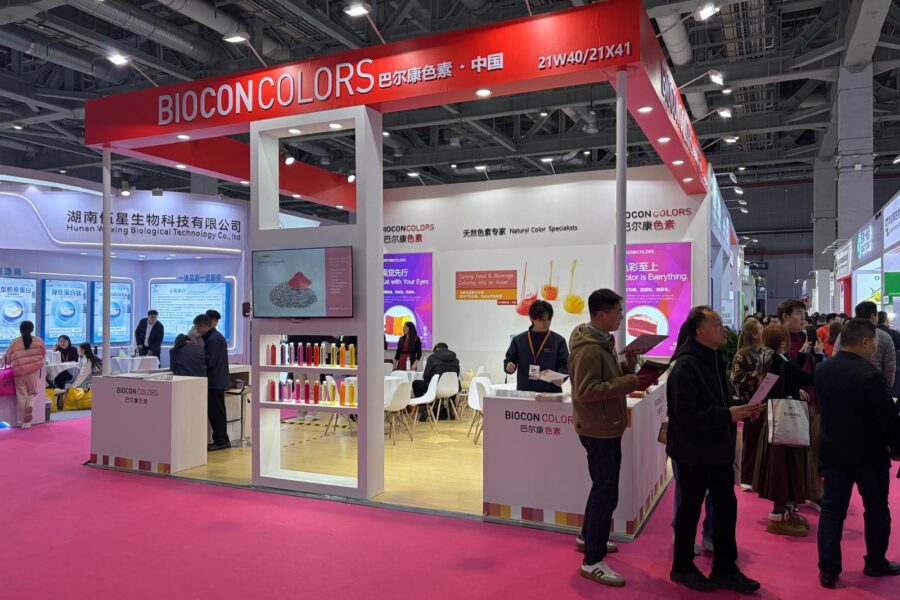
    In November, BioconColors proudly participated in Fi Europe 2025 in Paris, the leading international trade show for food ingredients. Together with our team, we presented the latest developments in natural colorants and introduced visitors to our mission: providing high-quality, stable, and fully natural color solutions for the global food industry.

    Throughout the event, we welcomed many customers, partners, and interested visitors to our booth. We shared insights into trends in natural colorants, and discussed how we support companies with color matching and replacing artificial colorants with natural options.

    Our presence at Fi Europe 2025 was a fantastic opportunity to showcase our growth, start new collaborations, and further strengthen our position as a trusted partner in natural coloring solutions.

    We thank everyone who took the time to visit us.

  • Decades of expertise, just one conversation away!

    Decades of expertise, just one conversation away!


    Heading to Food Ingredients Europe 2025 in Paris? Let’s talk NATURAL COLORS!

    Are you looking to replace artificial colors or reformulate with clean-label, high-performance natural alternatives?

    Our natural color specialists from BioconColors will be waiting for you at Fi Europe 2025 in Paris.

    Swing by Hall 7.2 – R41 or send a quick message to book a dedicated slot with our team. https://lnkd.in/etvDY5Q6

    Let’s make your next product brilliantly natural!

  • Food Tech Fair 2025 in Mexico

    Food Tech Fair 2025 in Mexico

    BioconColors at the Food Tech Fair 2025 in Mexico

    On October 8–9, 2025, BioconColors participated in the Food Tech Fair 2025 in Mexico, an event dedicated to the technologies shaping the future of food production. This year’s edition brought together innovators, solution providers, and emerging leaders focused on transforming the industry through smarter, cleaner, and more sustainable ingredients.

    For BioconColors, the Food Tech Fair was an ideal platform to highlight how natural color solutions can contribute to the next generation of food innovation. Beyond presenting our portfolio, we focused on demonstrating real-world applications—showcasing how our natural pigments perform in bakery, confectionery, dairy, and beverage prototypes. These hands-on demonstrations opened dynamic conversations with R&D teams and technologists who visited our stand.

    This year, we also saw a significant increase in interest from companies needing to transition from artificial to natural color solutions, driven by the upcoming regulatory changes in the United States regarding the ban on artificial colors. Many visitors were actively seeking guidance on reformulating their products to meet future compliance requirements without compromising visual appeal or stability.

    Across the two days, we met with companies exploring formulation efficiency, and clean-label reformulation. Many were particularly interested in our tailor-made color development, where we collaborate closely with manufacturers to design unique shades or replace synthetic colors without significantly sacrificing performance.

    Our participation highlighted BioconColors’ role as a forward-thinking partner in natural ingredient technology—one that understands both the creative and technical sides of product development. The fair also gave us the opportunity to connect with food-tech startups and ingredient specialists working at the forefront of sustainable food innovation.

    A warm thank-you to everyone who visited us during the event. We look forward to continuing these conversations and helping shape a more naturally colorful future for the food industry.

  • US to Ban Artificial Food Dyes

    US to Ban Artificial Food Dyes

    US Ban of Artificial Food Dyes
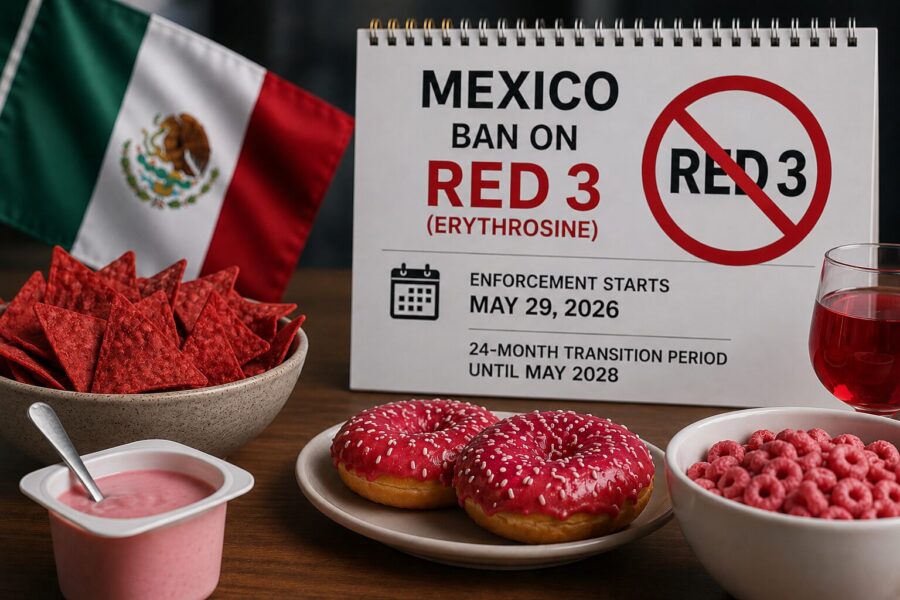
    BioconColors welcomes the Trump administration’s bold plan to phase out synthetic food dyes from the U.S. food supply by 2026, led by HHS Secretary Robert F. Kennedy Jr. and FDA Commissioner Dr. Marty Makary. This move to eliminate dyes like Red No. 40 and accelerate the Red No. 3 ban aligns with global shifts toward safer, natural ingredients. As a leader in natural color solutions, BioconColors sees this as a prime opportunity for food producers to innovate and gain a competitive edge with clear-label products.
    Why It Matters
    Announced on April 22, 2025, the FDA’s plan targets six artificial dyes linked to health concerns like ADHD and obesity. Newly approved natural color additives, such as butterfly pea flower extract and algae-derived blues, offer vibrant alternatives. This follows trends in regions like the EU and UK, where natural colors from sources like beetroot and spirulina are standard due to strict regulations and consumer demand for transparency.
    Impact on Food Producers
    • Supply Chain Shifts: Switching to natural colors requires reformulation and new suppliers. While artificial dyes are stable and cheap, natural alternatives may involve higher costs and technical challenges, as seen with some U.S. manufacturers struggling to source reliable natural colors.
    • Consumer Demand: Health-conscious consumers increasingly seek clean-label products. Major brands committing to dye-free products by mid-to-late 2025 reflect this shift, with failure to adapt risking market share loss, as seen in past cases like cereal brands reverting to artificial colors.
    • Regulatory Pressure: The voluntary phase-out may become mandatory, urging producers to meet the 2026 deadline to avoid penalties or market restrictions.
    Global Market Phases
    Adoption of natural colors varies by region, reflecting regulatory and consumer differences:
    • Mature Markets (EU, UK, Japan): These regions lead with established use of plant-based colors, driven by strict regulations since the 1990s. Producers focus on enhancing stability and vibrancy for applications like confectionery and beverages, with innovations like stabilized beetroot for bakery.
    • Transitioning Markets (U.S., Canada, South Korea): The U.S. is rapidly adopting natural colors post-FDA announcement, with Canada and South Korea following due to health-conscious trends. Beverage and snack brands are reformulating with colors like turmeric and spirulina to meet clean-label demands.
    • Emerging Markets (India, Brazil, Mexico, Southeast Asia): These regions are quickly catching up, driven by export needs and rising health awareness. India uses local sources like saffron for snacks, Brazil leverages cochineal for juices, and Thailand adopts plant-based blues for beverages, aligning with global standards.
    • Nascent Markets (Africa, Middle East): Early adoption is growing in urban areas, with natural colors like turmeric used in dairy to appeal to health-conscious consumers. First-mover brands can capture premium market segments.
    Opportunities with Natural Colors
    Partnering with BioconColors offers producers:
    • Innovation: Our FDA-approved natural colors, including anthocyanins and plant extracts, deliver vibrant, stable hues for snacks, beverages, and more, matching synthetic dye performance.
    • Consumer Appeal: Clean-label products meet rising demand for transparency, with 73% of global consumers seeking recognizable ingredients, boosting brand loyalty.
    • Sustainability: Colors from renewable sources like fruits and vegetables enhance eco-friendly branding, as demonstrated by small businesses transitioning to dye-free products.
    • Technical Support: We provide expertise to overcome challenges like color stability in high-heat or acidic conditions, ensuring compliance and shelf appeal.
    BioconColors: Your Partner in Change
    The shift to natural colors, spurred by the U.S. ban and global trends, is a chance to lead in a health-focused market. BioconColors offers tailored solutions, ensuring vibrant, compliant products across regions. Whether in the U.S., India, or Brazil, we help producers stay ahead.
    Contact BioconColors today to embrace the natural color revolution and enhance your competitive edge.
  • Visit us at the Expo Ingredients in Lima Peru

    Visit us at the Expo Ingredients in Lima Peru

    Connect with our LATAM team at the Expo-Ingredients Peru fair from November 14th to 16th, 2024!

    We’re excited to welcome you to visit us at Expo Ingredients Peru 2024! You’ll find us at Pavilion Ingredients and Additives, Stand A-137.  We will highlight the most recent breakthroughs in the natural food coloring sector and explain how our natural coloring solutions can be applied across a wide range of applications.

    Come explore our extensive range of natural color solutions and connect with our expert team, ready to answer any questions you have. Reach out to schedule a meeting in advance. Save the dates – November 14th-16th, 2024 – and be sure to stop by Stand A-137 at the Pavilion Ingredients and Additives.

    We look forward to seeing you at Expo Ingredients Peru!

  • Join us at the FI Frankfurt from November 28th to 30th, 2023!

    Join us at the FI Frankfurt from November 28th to 30th, 2023!

    Join us at the Food Ingredients fair(FI) from November 28th to 30th, 2023!

    We’re thrilled to invite you to our (booth Hall 4.1 stand H84) at FI Frankfurt, where innovation and industry meet. Discover the latest advancements in the natural food coloring industry. BioconColors will highlight how our natural coloring solutions can be used per application. Explore our wide range of natural colors solutions and engage with our knowledgeable team to answer your questions.

    Contact us to reserve a time slot for a meeting. Mark your calendar for November 28th-30th, 2023, and make your way to Stand Hall 4.1 stand H84. We can’t wait to meet you and share the latest insights and innovations in our field.

    See you at FI Frankfurt!

  • Enhancing Nutraceuticals with Natural Colors

    Enhancing Nutraceuticals with Natural Colors

    In today’s health-conscious world, consumers are becoming increasingly discerning about the products they consume. Nutraceuticals, a fusion of “nutrition” and “pharmaceuticals,” offer a compelling promise of health and wellness benefits beyond basic nutrition. To meet the evolving demands of the health-savvy consumer, the nutraceutical industry has embraced a vital trend – the use of natural colors.

    Why Natural Colors Matter in Nutraceuticals

    Natural colors in nutraceuticals serve a dual purpose: they enhance the visual appeal of the product and align with consumers’ growing preference for clean, wholesome ingredients. Here’s why they matter:

    1. Clean Label Appeal

    In an age of ingredient scrutiny, consumers are seeking products with clean labels. Natural colors, sourced from fruits, vegetables, and other plant-based ingredients, have an intrinsic wholesome appeal. This aligns perfectly with the ethos of nutraceuticals, which are perceived as products that promote well-being.

    2. Health-Conscious Choice

    Nutraceuticals are all about health, and natural colors reinforce that message. Consumers associate natural colors with health and wellness, making these products more enticing. This association can positively influence purchasing decisions.

    3. Allergen-Friendly Options

    For individuals with food allergies or sensitivities, natural colors offer a safer choice. Synthetic colors may sometimes be derived from allergenic sources, whereas natural colors are generally considered more allergen-friendly.

    4. Regulatory Compliance

    Many regulatory agencies worldwide are tightening their grip on synthetic color usage due to safety concerns. Natural colors, being derived from natural sources, tend to navigate regulatory hurdles more smoothly, making them a preferred choice.

    5. Marketing Advantage

    The use of natural colors can be an excellent marketing strategy. Highlighting them on product packaging and marketing materials can set nutraceutical products apart in a competitive market. It signals transparency and an emphasis on quality.

    6. Functional Benefits

    Natural colors can do more than just add vibrant hues to your nutraceuticals. Many of them, sourced from fruits and vegetables, bring additional health benefits due to their rich phytonutrient content. This adds another layer of appeal to your product.

    7. Shelf-Life and Stability

    Natural colors have made significant strides in terms of stability over the years. They can now withstand various environmental factors like heat, light, and pH levels, ensuring a longer shelf life without compromising on quality.

    8. Global Expansion

    As the global demand for nutraceuticals continues to soar, the use of natural colors allows manufacturers to cater to diverse international markets. These colors can adapt to various cultural and regional preferences, making your product more globally accessible.

    Conclusion: The Healthy Choice for Nutraceuticals

    In conclusion, natural colors in nutraceuticals are more than just a trend; they’re a necessity. They meet the expectations of consumers who seek clean, health-conscious, and visually appealing products. By embracing this trend, nutraceutical manufacturers can enhance the allure of their products while staying true to their promise of better health and well-being.

    Embrace the healthy hue of natural colors in your nutraceuticals, and you’ll not only meet the demands of today’s consumers but also position your brand at the forefront of the evolving nutraceutical industry.

    Remember, when it comes to nutraceuticals and natural colors, health and vibrancy go hand in hand.

  • The Rise of the Meat Analogues

    The Rise of the Meat Analogues

    Driven by the health and eco-awareness consumer trend, the demand for meat-free products is surging. This has resulted in a proliferation of meat alternatives entering the market. In Europe, the market share of meat alternatives is slightly smaller than in the US, but the penetration is higher.

    The growth potential for the European market is favourable, this also because several leading players, like Unilever and Nestlé believe in the market potential of the meat substitute market and are investing significantly in order to acquire their share.

    For many consumers who are adopting vegan, vegetarian or flexitarian diets this phase is mainly about product discovery. This product discovery phase is a crucial time for meat alternative manufactures to position their product in the heart and minds of the consumer in order to maximize traction in a future maturing market. For many manufacturers this means continuous innovation in the pursuit of the desired balance desired taste, texture, appearance and mouthfeel.

    To help food producers in their quest for the desired meat substitute BioconColors has developed a range of meat alternative coloring formulations. The coloring formulations are formulated in such a way to help to mimic the appearance of real burgers. All colorants used in our meat alternative formulations 100% based on natural colors. Read more on our meat alternative color range and request our Meat Alterative Color Guide.

  • The blue days for Spirulina are over

    The blue days for Spirulina are over

    In search of new culinary experiences blue and green shades have been in a uprise in recent years and have experienced great success in the food industry. Since the approval by the United States FDA of spirulina in 2013 and the also by the European Union, Spirulina became the first natural blue available. Parallel with growth of the natural color market and with leading F&B companies pledging to switch to natural colors, the demand for the natural pure blue of spirulina took off.

    Spirulina is best known for its antioxidant properties, high nutrient content, and vibrant colors. Spirulina is a microscopic freshwater blue-green alga, grown and harvested in aquatic farms globally. Many associate spirulina with being green, whilst the less common blue variety is simply an extract of this blue-green algae that’s had its distinctive deep blue pigment extracted and isolated. The blue pigment is called phycocyanin and gives the gorgeous, almost cobalt blue color. Unlike regular spirulina which some say has a fishy taste, the blue version doesn’t but it still has all the same nutrients. Historically Spirulina was predominantly grown in Asia but after its FDA approval as a food colorant it has spirulina cultivation has expanded to Europe and the United States.

    Despite the recent surge in demand for Spirulina, the use of Spirulina is all but new. Its use can be traced back centuries as a food and nutritional staple of Aztecs in Mexico. After the 16th century the use of spirulina vanished from the historical records when, as part of the Spanish conquest the great lakes in the Valley of Mexico were drained. (Unlike the use of Carmine, also an Aztec originating color, that got its international boom after the conquistadors took it back to Europe.)

    According to Persistence Market Research the global market for spirulina is estimated to grow from $719 million in 2016 to $1,855.8 million in 2026, with an impressive CAGR (compound annual growth rate) of 10%. The prominence of spirulina in the supplement and growing natural color industries will continue to increase dramatically as consumers become more and more interested in natural products. It is clear that the blue days of spirulina are over.

    Spirulina color extract is primarily used in confectionery, yoghurts, ice cream, frozen desserts, dessert toppings, dry beverage, gelatin, puddings and custards. Spirulina color extracts are natural alternatives to replace synthetic coloring blends like e.g. Brilliant Blue.

    Interested in using Spirulina in your application? Contact us.

  • “What’s in a name..?”, Colouring foods v.s. food colouring

    “What’s in a name..?”, Colouring foods v.s. food colouring

    Food colours and colouring foods (also known as colouring foodstuff) are both used for the coloring of foods and have comparable sounding names. However, in European legislation, they vastly differ from each other. Food colours fall under the scope of the food additive regulation, whereas colouring foods do not. 

    The main criterion for the distinction between food additives and colouring foods is the degree of extraction. For example, when spinach extract is processed nonselectively and this extract is added to the product, it is not considered as a colour additive but as a food ingredient. However, when the spinach is selectively extracted for its chlorophyll (E140), then it is considered a food additive. Motivations for food and beverage manufactures for choosing either a Food colour or colouring food in the same color spectrum is often a combination of performance, marketing, costs and regulatory factors. It is important to clearly distinguish between a food ingredient and a food additive.

    In the general food law ((EC) No 178/2002) the basis for the assurance of a high level of protection of human health in relation to food is laid down. In this regulation, ‘food’ or ‘foodstuff’ is defined as:

    “Any substance or product, whether processed, partially processed or unprocessed, intended to be, or reasonably expected to be ingested by humans. ‘Food’ includes drink, chewing gum and any substance, including water, intentionally incorporated into the food during its manufacture, preparation or treatment.”

     The regulation on food additives controls which additives may be used as ingredients for the preparation of foods. The food additives are divided in several categories, according to their functionality, including food colours. Food colours are defined as:

    “Colours” are substances which add or restore colour in a food, and include natural constituents of foods and natural sources which are normally not consumed as foods as such and not normally used as characteristic ingredients of food. Preparations obtained from foods and other edible natural source materials obtained by physical and/or chemical extraction resulting in a selective extraction of the pigments relative to the nutritive or aromatic constituents are colours within the meaning of this Regulation.”

    The Regulation on food additives (EU No 1333/2008) makes no distinction between synthetically or naturally derived colour additives and therefore all these colours are labelled with an E-number. There are 40 approved food colour additives, labelled with E-numbers ranging from E100 to E180, of which 15 are of synthetic origin and 25 of natural of nature identical origin.

    A category that belonging to natural food colours are the “Colouring Foods” also known as “colouring foodstuff”. Colouring foods are defined by: ‘foods with colouring properties’ and are used by the food industry for over 30 years now. These foods are especially produced to impart colour to food with other foods. The quality and intensity of the colour is highly dependent of the quality of the raw materials. Currently, only fruits, vegetables and edible plants with high contents of pigments are used for the production of colouring foods. Examples of these colouring foods are orange carrots, pumpkins, black carrots, sweet potatoes, elderberries, blueberries, grapes, red cabbage, Spirulina, Hibiscus and Safflower.

    As mentioned earlier, colouring foods are referred to as food with colouring properties and are therefore “intended to be, or reasonably expected to be ingested by humans” and therefore, these colouring foods are considered as food.